
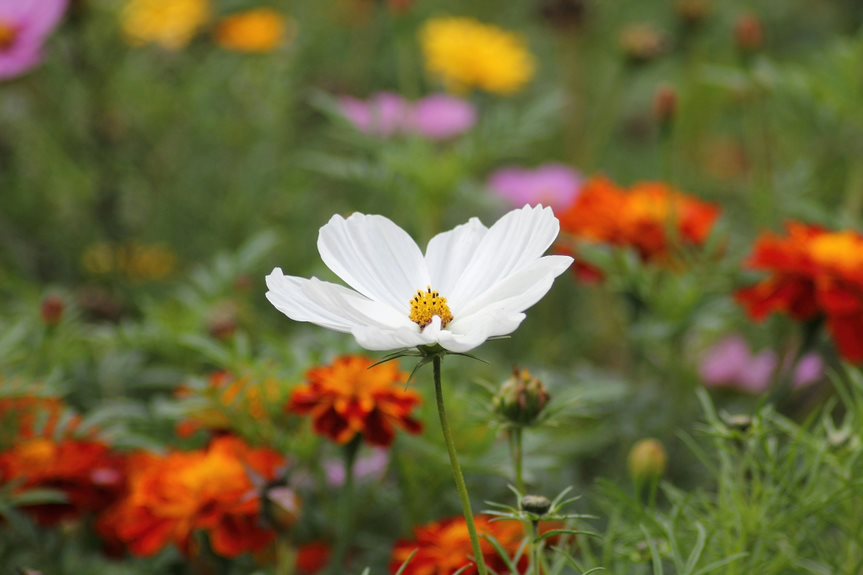
Ah, the joy of a flourishing garden! Lush greenery, vibrant flowers, and the promise of homegrown goodness. However, even the most idyllic garden paradise can be disrupted by unwelcome guests: pests. From nibbling insects to tunneling critters, these uninvited visitors can seriously damage your precious plants. But before reaching for harsh chemicals or calling in a pest exterminator, explore natural and effective ways to keep your garden pest-free, while still welcoming the beneficial insects and vital pollinators like bees.
Building a Fortress: Smart Plant Choices and Garden Design
Your garden’s layout and plant selection are your first line of defense. Start by choosing plants naturally resistant to pests in your region. Consult local gardening experts or research which plants thrive locally and are less prone to pest attacks. Here’s how to design a naturally pest-resistant garden environment:
Diversity is Key
Move beyond rows of the same vegetables. Plant a diverse mix of flowers, herbs, and vegetables together to create a complex ecosystem. This diversity makes it harder for pests to locate their preferred food source and establish a foothold.
Companion Planting Power
Nature offers built-in pest control through companion planting. Strong-smelling herbs like rosemary and mint deter crawling insects, while marigolds repel variety of pests and attract beneficial insects such as ladybugs. Research companion planting methods tailored to your regional plant species to maximize garden health.
Bring on the Beneficials!
Encourage natural predators of garden pests to take residence. Ladybugs feast on aphids, and praying mantises relish caterpillars. Incorporate nectar-rich flowers like cosmos and sunflowers to provide sustenance for these helpful allies.
A Tidy Garden is a Happy Garden: Maintaining a Pest-Free Paradise
Just like a cluttered room attracts unwanted guests, a neglected garden invites pests. Maintain clean pathways, remove dead plant material, and consistently check for disease symptoms to keep your garden healthy. Here’s how to keep your garden tidy and deter unwanted visitors:
- Clean Up Debris: Regularly remove fallen leaves, weeds, and dead plants which provide shelter for pests and foster diseases.
- Mulch Magic: Apply organic mulches like shredded wood or bark around plants to retain moisture, suppress weeds, and deter pests such as slugs.
- Watering Wisely: Avoid overwatering which can attract fungus gnats and promote root rot. Water deeply but infrequently, allowing soil to dry slightly between sessions.
Nature’s Arsenal: Organic Pest Control Solutions
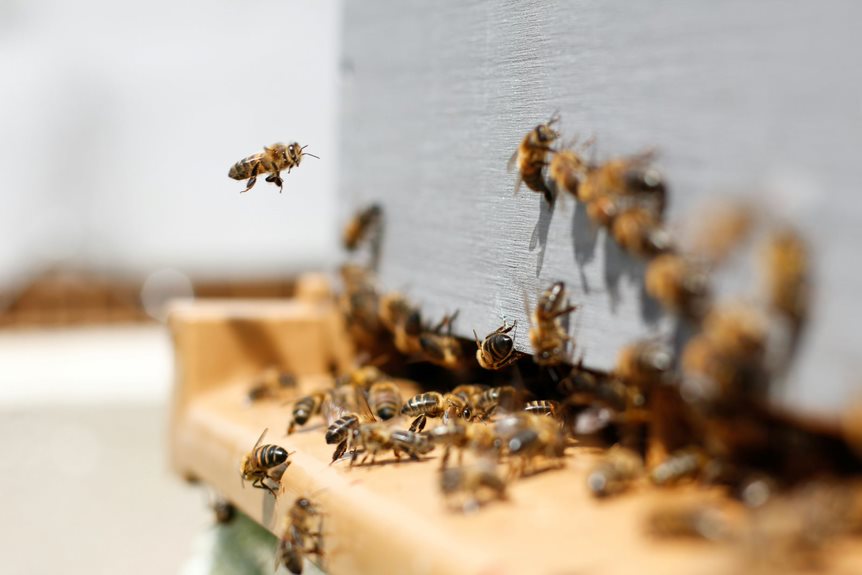
While protecting essential pollinators, sometimes natural interventions are needed to control pests. Here are effective, DIY organic pest control methods:
- Soap Spray Surprise: A simple mix of mild dish soap and water can deter aphids, mealybugs, and other soft-bodied insects effectively.
- Spicy Solution: Homemade chili pepper spray, created by soaking chopped peppers in water, deters pests when diluted and applied to plants. Wear gloves when handling!
- Neem Oil Powerhouse: Neem oil, derived from the neem tree, acts as a natural fungicide and insecticide by disrupting pest life cycles. Follow label directions carefully for correct use.
When the Good Guys Need Help: Coexisting with Bees
Bees play an essential role as pollinators, maintaining the health of ecosystems and your garden’s productivity. Though beneficial, hives too close to your home can pose concerns. Here’s how to address these situations safely and respectfully:
Identify the Buzz
Not all buzzing insects are bees. Wasps and hornets can pose more aggressive threats. Proper identification is crucial, as bees usually remain docile unless threatened.
Seek Expert Help Safely
Never attempt to remove a honeybee hive yourself. Contact professional bee removal services to safely relocate bees, protecting both your family and the environment.
Bee-Friendly Gardening
Promote pollinator health by planting native species, avoiding pesticides, and providing fresh water sources. Consider installing bee houses to support solitary bee populations.
Wrap Up
Implementing these natural pest control and garden design strategies helps you foster a balanced ecosystem where beneficial insects thrive and pests are minimized. Remember, gardening is a harmonious partnership with nature that requires patience and attentiveness for lasting results.
Additional Tips:
- Rotation Station: Rotate crops annually to prevent soil nutrient depletion and disrupt pest life cycles, which improves overall soil health.
- Physical Barriers: Use row covers or netting to shield plants from insects and larger pests, creating a protective microclimate that also promotes growth.
A Pest-Free Garden: A Testament to Harmony and Balance
By embracing these sustainable gardening techniques, you not only protect your garden but also contribute to preserving biodiversity and supporting environmental health. A pest-controlled garden illustrates nature’s delicate balance, rewarding your effort with abundant harvests and the satisfaction of eco-friendly stewardship. Stay persistent and responsive, and you will enjoy a thriving garden that nurtures both plants and pollinators alike.
In addition to the strategies highlighted, if you want to learn more about “Can a Pergola Withstand a Hurricane” please visit our “Gardening” category for comprehensive insights and expert advice.
Moreover, integrating native plants adapted to your local climate can significantly enhance your garden’s resilience against pests while attracting even more beneficial wildlife. These plants typically require fewer resources, promote soil health, and contribute to a sustainable garden ecosystem. Combining native species with companion planting and organic pest control methods creates a powerful, environmentally conscious approach for vibrant and healthy gardens that flourish year-round.
For more information on creating a balanced garden environment that supports beneficial insects and deters pests, check out How Residential Eating Disorder Treatment Centers Support Lasting Recovery.