A new roof installation protects your home from weather while replacing worn or failing roofing components. Most projects include tear-off, decking checks, water protection, flashing, roofing materials, ventilation work, cleanup, and inspection. Knowing these stages helps you compare estimates and spot missing work before signing a contract.
For U.S. homeowners, roof replacement is also a major financial decision. Costs depend heavily on roof size, material, pitch, location, and hidden deck damage. Planning around those variables makes unexpected charges less likely.
New Roof Installation at a Glance
| Project detail | What homeowners should know |
|---|---|
| Typical work | Tear-off, deck inspection, underlayment, flashing, roofing, ventilation, cleanup |
| Common project length | About one to five working days for many residential projects |
| Popular material | Asphalt shingles remain a common residential choice. |
| Major cost factors | Size, material, pitch, labor, tear-off, decking repairs, location |
| Before work starts | Confirm scope, permits, materials, warranties, payment terms, and cleanup. |
| Final checks | Inspect flashing, ventilation, debris removal, gutters, warranties, and workmanship. |
Direct answer: A professional roof installation usually starts with inspection and site preparation. Crews remove old materials, repair damaged decking, install water barriers and flashing, and then apply the chosen roofing system. The job ends with ventilation checks, cleanup, a nail sweep, and a final inspection.
Current roofing guidance describes a similar sequence, although specific methods vary by material and local building requirements. Many professional residential projects take between one and five days. Complex designs, severe weather, and structural repairs can extend that schedule.
Key Takeaways
- Get an itemized written estimate before scheduling work.
- Compare the complete roofing system, not shingles alone.
- Expect hidden decking damage to affect the final price.
- Ask who handles permits and required inspections.
- Protect vehicles, landscaping, children, and pets before tear-off.
- Confirm cleanup and magnetic nail collection are included.
- Keep manufacturer and workmanship warranty documents after completion.
7 Steps in a New Roof Installation
Understanding the sequence makes installation day much easier to manage. It also gives you useful checkpoints when reviewing a contractor’s proposal. The exact order can change slightly with roof design and roofing material.
1. Inspect the Existing Roof and Confirm the Scope
A contractor should inspect the roof before providing a final project scope. The inspection can identify damaged shingles, failing flashing, ventilation concerns, and visible decking problems. Measurements also determine how much roofing material the crew will need.
Ask for an itemized estimate rather than one unexplained total. It should identify the roofing material, tear-off, disposal, flashing, underlayment, ventilation, and expected repairs. RoomDome also has guidance on selecting a roofing contractor before committing to a company.
2. Prepare the Property Before Installation Day
Roof replacement creates noise, vibration, falling debris, and frequent movement around your home. Move vehicles away from the work area and clear furniture from nearby patios. Protect fragile landscaping when possible.
Inside the house, remove delicate items from shelves near exterior walls. Vibrations from tear-off and fastening can shift loose decorations. Children and pets should stay away from active work zones throughout the project.
3. Remove the Existing Roofing Materials
For a full replacement, the crew normally strips existing roofing materials from the deck. Removing the old covering gives workers access to areas that were previously hidden. They can then identify rot, moisture damage, loose boards, and other problems.
Tear-off is often the loudest and messiest part of the project. Contractors should control debris and protect surrounding property during this stage. Confirm how disposal costs are handled before work begins.
4. Inspect and Repair the Roof Deck
The roof deck supports the roofing system above it. Soft, rotten, broken, or badly deteriorated sections should be addressed before new materials cover them. Ignoring damaged decking can shorten the life of the finished roof.
Deck repairs can also create one of the biggest pricing surprises. Some damage cannot be confirmed until the old material is removed. Ask your contractor to state the repair price per sheet or square foot in writing.
5. Install Water Protection, Drip Edge, and Flashing
The next stage creates the moisture-management layers beneath the visible roof covering. Underlayment protects the deck, while flashing directs water away from vulnerable joints. Drip edge helps guide runoff away from exposed roof edges.
Installation details depend on the roofing system, climate, roof design, and applicable building rules. Flashing deserves particular attention around chimneys, walls, valleys, skylights, and plumbing penetrations. These areas often face increased leak risk if installed poorly.
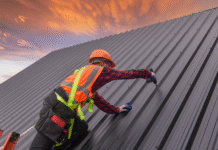
6. Install the Roofing Material and Ventilation Components
The crew then applies shingles, panels, tiles, or another selected roof covering. Manufacturers specify fastening patterns and installation requirements for their products. Contractors should follow those requirements to protect performance and warranty eligibility.
Ventilation work may happen alongside roofing installation. Balanced intake and exhaust ventilation can help control attic heat and moisture. RoomDome’s article on roofing and home energy efficiency explains related efficiency considerations.
7. Complete Cleanup and the Final Inspection
A finished roof should be followed by a thorough property cleanup. Crews commonly collect removed materials, packaging, loose fasteners, and other construction debris. Ask whether magnetic nail sweeps around driveways and lawns are part of the contract.
Walk around the property with the contractor before making the final payment. Review flashing, roof edges, gutters, vents, and visible workmanship from the ground. You should also receive applicable warranty and product documentation.
How Much Does a New Roof Cost in the U.S.?
There is no single national price that fits every house. Recent U.S. estimates vary significantly because roof size and material create large pricing differences. Location, pitch, access, demolition, and structural repairs also change the final figure.
For example, This Old House reports an average near $29,909 for a 2,000-square-foot roof across materials in its 2026 analysis. Its asphalt estimate for that size is much lower, at roughly $10,320. Other current cost guides place many residential projects within broad ranges rather than one national figure.
Treat online averages as planning numbers rather than contractor quotes. A local roofer must evaluate the actual structure before giving a dependable price. Comparing several detailed proposals is usually more useful than comparing national averages alone.
Which Roofing Material Should You Choose?
Asphalt shingles appeal to homeowners seeking familiar installation and a lower upfront cost. Metal roofing can offer longer service life but often carries a higher initial price. Tile and slate may last much longer, yet their weight and installation requirements can increase costs.
Your climate and house design should influence the choice. Coastal conditions, wildfire exposure, snow loads, extreme heat, and high winds create different performance needs. A qualified local contractor can explain which systems meet applicable codes and manufacturer specifications.
Appearance also matters because the roof covers a large portion of your home’s exterior. RoomDome discusses how replacement can affect property appearance and value. Consider color, architecture, maintenance, durability, and total ownership cost together.
How Long Does Roof Installation Take?
Many residential roofing projects take about one to five working days. Straightforward asphalt roofs can sometimes be completed within one or two days. Larger or complicated roofs often need more time.
Weather can stop work even after the project begins. Deck repairs, steep pitches, dormers, valleys, skylights, and difficult access can also extend the schedule. Material availability and permit processing can affect the broader timeline before installation starts.
Ask contractors for both an installation estimate and a scheduling estimate. These are different timelines and should not be confused. The crew may work for three days after materials and permits take several weeks to coordinate.
Can You Stay Home During Roof Replacement?
Most homeowners can remain inside during a standard roof replacement. Still, daytime noise and vibration can become uncomfortable. Working from home may be difficult while tear-off and fastening are underway.
Pets can react strongly to construction noise and strangers around the property. Gates may also remain open while workers move materials and debris. Arranging another safe location for sensitive pets can reduce risk and stress.
Anyone entering or leaving should avoid areas beneath active roofing work. Follow the contractor’s directions about driveways, doors, walkways, and work zones. These precautions help limit exposure to falling debris and stray fasteners.
Repair the Roof or Replace It?
Isolated damage does not always require full replacement. A small leak, missing shingles, or limited flashing failure may be repairable. Widespread deterioration usually requires a broader evaluation.
Roof age alone should not make the decision. Condition, previous repairs, deck health, active leaks, storm damage, and remaining material life matter too. RoomDome’s guide to common roof problems and repairs can help you identify warning signs before requesting estimates.
Ask a contractor to explain why replacement is preferable when repairs remain possible. A good proposal should connect the recommendation to observable conditions. That makes it easier to compare competing recommendations fairly.
Questions to Ask Before Hiring a Roofer
Price should not be your only screening factor. Confirm licensing requirements for your state or locality and ask for proof of insurance. Review recent customer references and the contractor’s experience with your selected material.
Your written proposal should clearly define the complete scope. Ask who handles permits, deck repairs, flashing, ventilation, debris, unexpected costs, and final inspections. Also confirm both workmanship and manufacturer warranty terms.
Use these questions when comparing companies:
- What materials and product lines are included?
- Is full tear-off included in the price?
- How are unexpected deck repairs priced?
- Who obtains permits and schedules inspections?
- Will existing flashing be replaced or reused?
- How will landscaping and gutters be protected?
- What cleanup and nail collection are included?
- What workmanship warranty does the contractor provide?
- When is payment due?
- Who handles warranty registration after completion?
FAQ About New Roof Installation
What is included in a new roof installation?
A full replacement commonly includes tear-off, deck inspection, underlayment, flashing, the roof covering, ventilation components, cleanup, and final checks. The exact scope varies by contractor and roofing system. Review every included component before accepting an estimate.
How long should a new roof take to install?
Many homes can be completed within one to five working days. Simple asphalt roofs may finish faster than large or complex structures. Weather and unexpected deck repairs can add time.
Should I replace gutters at the same time?
Not automatically. Gutters in good condition may continue working after roof replacement. Damaged, poorly sized, or incorrectly pitched systems may be worth addressing during the same project.
Do I need a permit for roof replacement?
Permit requirements vary by state, county, and municipality. Some jurisdictions require permits and inspections for roof replacement work. Ask your local building department and confirm who handles these tasks.
Should old shingles be removed first?
Full tear-off allows the contractor to inspect the deck before installing the new system. Some locations and systems may allow an additional roofing layer under specific conditions. Local codes, manufacturer instructions, and roof condition should guide that decision.
Make Your Roof Project Easier to Compare
A successful roof project begins before the first shingle comes off. Define the scope, compare materials, investigate contractors, and understand how hidden repairs will be priced. These steps make competing estimates easier to compare.
Keep the final contract, invoices, photographs, product information, and warranty documents together. Those records can help with future maintenance, insurance questions, and home sales. A carefully documented project gives you a clearer record of what protects your home.