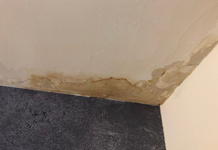
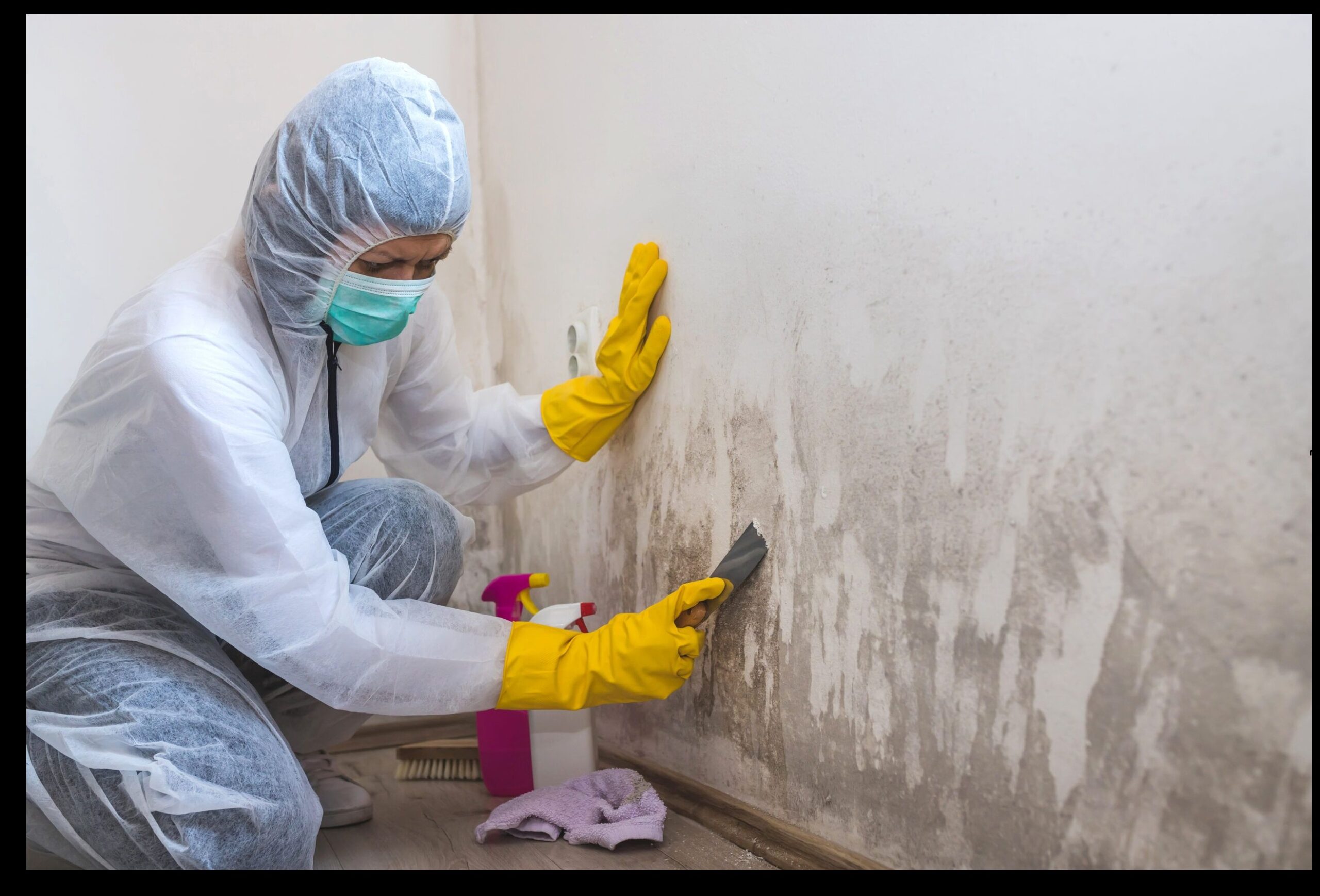
Water damage doesn’t just leave behind visible destruction—it creates the perfect environment for mold growth, which can pose serious health risks and structural problems. Mold can start forming within 24 to 48 hours of water exposure, making rapid mold remediation a critical step in water damage restoration.
But what exactly does mold remediation involve? Why is it so important in the water damage restoration process? And how can professional services help protect your home or business? Let’s discuss the essential role of mold remediation and why quick action is necessary.
Why Mold Growth is a Major Concern After Water Damage
Mold thrives in moist, warm environments, making water-damaged areas the perfect breeding ground. If left untreated, mold can spread rapidly, affecting walls, ceilings, flooring, furniture, and even air quality.
What Makes Mold Dangerous?
- 🔹 Health Risks – Exposure to mold spores can cause allergies, respiratory issues, and other health problems.
- 🔹 Structural Damage – Mold feeds on organic materials like wood, drywall, and insulation, weakening the structure.
- 🔹 Unpleasant Odors – Musty smells from mold can linger, making living spaces uncomfortable.
- 🔹 Decreased Property Value – Homes with unresolved mold issues lose market appeal and may fail inspections.
💡 Did you know? Many insurance policies exclude mold damage unless it results from a covered water event. Acting fast can prevent costly out-of-pocket repairs.
The Connection Between Water Damage and Mold Growth
Mold spores are always present in the air, but they only become active when moisture and organic material are available. That’s why water damage restoration must include mold remediation—even if mold isn’t visible yet.
How Water Damage Leads to Mold Growth:
- ✔ Standing water seeps into porous materials (wood, drywall, carpets).
- ✔ Moisture creates the perfect conditions for mold spores to multiply.
- ✔ Hidden areas, like wall cavities and under flooring, trap moisture, allowing mold to spread unnoticed.
💡 Expert Tip: Even if water-damaged surfaces appear dry, hidden moisture can still be present, requiring professional testing and treatment.
What is Mold Remediation?
Mold remediation is the process of identifying, containing, removing, and preventing mold in a water-damaged environment. It goes beyond simple mold removal by addressing the root cause—excess moisture.
Steps in the Mold Remediation Process
Inspection and Assessment
🔹 Professionals identify mold growth using visual inspection and moisture meters.
🔹 Air and surface samples may be tested to determine mold type and spread.
🔹 A containment plan is developed to prevent spores from spreading during removal.
💡 Did you know? Some mold species, like black mold (Stachybotrys chartarum), release mycotoxins, which can cause serious health issues.
Containment of Affected Areas
Mold spores spread easily through air vents, open doors, and on clothing. To prevent contamination, professionals:
✔ Seal off affected rooms using plastic sheeting and negative air pressure.
✔ Shut down HVAC systems to prevent mold from spreading through air ducts.
✔ Use HEPA air scrubbers to filter airborne spores and improve air quality.
💡 Expert Tip: Never disturb visible mold growth yourself! Scrubbing or wiping mold can release spores into the air, making the situation worse.
Mold Removal and Surface Cleaning
Once contained, mold-infested materials are either cleaned or removed entirely, depending on severity.
Read More: 7 Reasons to Replace Your Old Water Heater Today
Methods for Mold Removal:
✅ HEPA Vacuuming – Removes mold spores from surfaces.
✅ Antifungal & Antimicrobial Treatments – Kill mold at the source.
✅ Abrasive Cleaning (e.g., Soda Blasting) – Used for porous materials like wood beams.
✅ Material Disposal – Heavily damaged drywall, insulation, or carpets may need replacement.
💡 Did you know? Mold cannot always be cleaned—if it has deeply penetrated a material, replacement is the only safe option.
Drying and Dehumidification
Mold remediation isn’t complete until moisture is eliminated. Drying techniques include:
✔ Industrial Dehumidifiers – Reduce humidity to prevent future mold growth.
✔ High-Speed Air Movers – Speed up evaporation from walls, floors, and ceilings.
✔ Moisture Testing – Ensures all areas are completely dry.
💡 Expert Tip: The ideal indoor humidity level should be below 50% to prevent mold regrowth.
Preventative Measures and Final Testing
Once mold is removed, preventative strategies ensure it doesn’t return.
How to Prevent Future Mold Issues:
✔ Fix leaks immediately – Even small plumbing leaks can lead to mold.
✔ Improve ventilation – Use exhaust fans in bathrooms, kitchens, and basements.
✔ Monitor indoor humidity – Use a hygrometer to keep levels below 50%.
✔ Regular Inspections – Check hidden areas (behind walls, under sinks) for moisture buildup.
💡 Expert Tip: Professionals often conduct air quality tests after remediation to confirm that mold levels are back to normal.
Mold Remediation vs. Mold Removal: What’s the Difference?
Many people confuse mold remediation with simple mold removal, but they’re not the same thing.
| Process | Mold Removal | Mold Remediation |
| Goal | Remove visible mold only | Eliminate mold + address moisture issue |
| Method | Cleaning with mold-killing products | Full containment, removal, and prevention |
| Effectiveness | Temporary solution | Long-term solution |
| Recommended for | Small, surface-level mold | Widespread or recurring mold issues |
💡 Bottom Line: Mold removal only treats symptoms, while mold remediation prevents future mold problems.
How Mold Remediation Fits Into Water Damage Restoration
Water damage restoration must include mold remediation because excess moisture is the primary trigger for mold growth. Without proper drying and mold removal, the problem will return—often worse than before.
How Professionals Integrate Both Services:
✔ Step 1: Water extraction to remove standing water.
✔ Step 2: Drying and dehumidification to eliminate moisture.
✔ Step 3: Mold inspection and air quality testing.
✔ Step 4: Mold removal and treatment of affected materials.
✔ Step 5: Preventative measures to stop future mold growth.
💡 Expert Tip: Skipping mold remediation after water damage can lead to costly repairs later—and even health issues for occupants.
We highly recommend TheDryGuy.com for water damage restoration in Haslet, TX. Their expert approach to mold remediation ensures your home is protected from long-term issues caused by moisture and mold growth.`
Final Thoughts: Act Fast to Prevent Mold Damage!
Mold remediation is not just about removing mold—it’s about preventing its return by eliminating the moisture source. Whether you’re dealing with a flood, leaky roof, or burst pipe, taking quick action can save thousands of dollars in repairs and health-related issues.
Key Takeaways:
Mold can start growing within 24-48 hours of water damage.
Mold remediation involves containment, removal, and moisture control.
Proper drying and dehumidification prevent future mold issues.
Ignoring mold can lead to health risks and structural damage.
Professional water damage restoration includes mold remediation to ensure complete recovery.
Apart from that if you want to know about 7 Home Improvement Ideas to Transform Your Space then visit our Home improvement category.