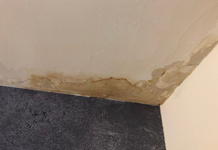
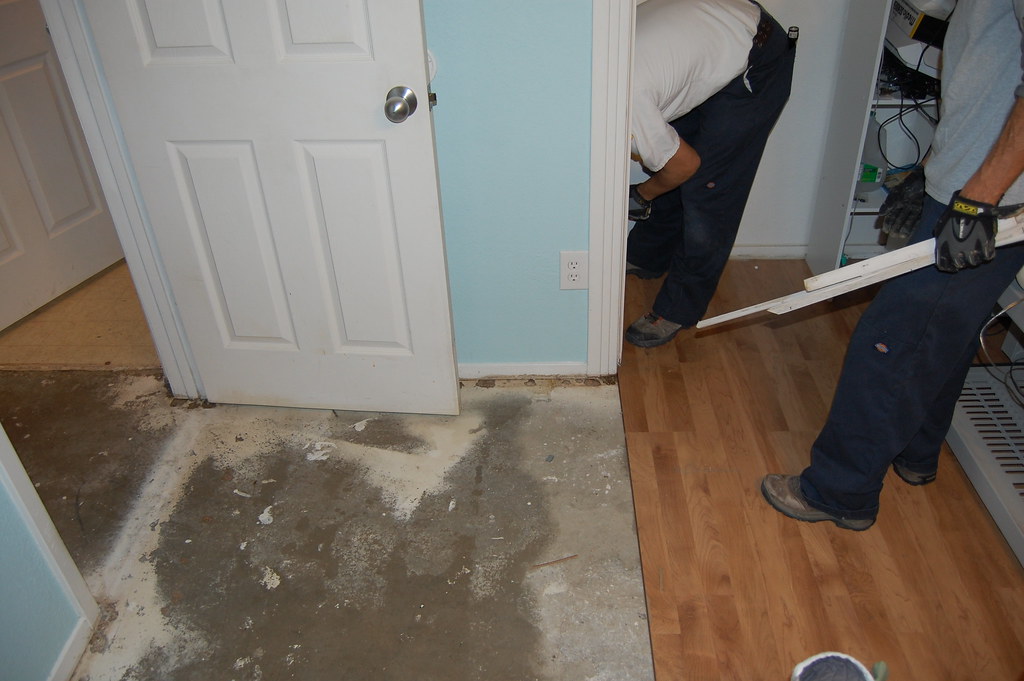
Water damage can occur unexpectedly—from heavy rains, burst pipes, leaking appliances, or severe flooding. Although it might seem manageable to tackle the cleanup on your own, professional water damage restoration is essential to effectively protect your property. Without expert intervention, water can infiltrate walls, floors, and furniture, promoting mold growth, structural deterioration, and costly repairs.
So, why is professional water damage restoration indispensable? Let’s explore the top reasons why hiring experienced restoration specialists is the safest and most efficient way to safeguard your home or business following water damage.
1. Fast and Efficient Water Removal
In water damage situations, acting swiftly is vital. The longer water remains, the greater the damage.
Why DIY Cleanup Isn’t Enough
- Common household tools like mops and wet vacuums cannot extract water deep within walls or flooring.
- Hidden moisture can trigger mold growth within 24-48 hours.
- Improper drying often results in structural damage and wood rot.
How Professionals Help
- Utilize industrial-grade pumps and extractors to rapidly remove standing water.
- Deploy advanced drying equipment that targets moisture in walls, ceilings, and carpets.
- Employ moisture meters and infrared cameras to detect hidden water pockets and ensure thorough drying.
💡 Did You Know? Standing water can weaken drywall and flooring in just a few hours, making prompt action imperative.
2. Preventing Mold Growth and Health Hazards
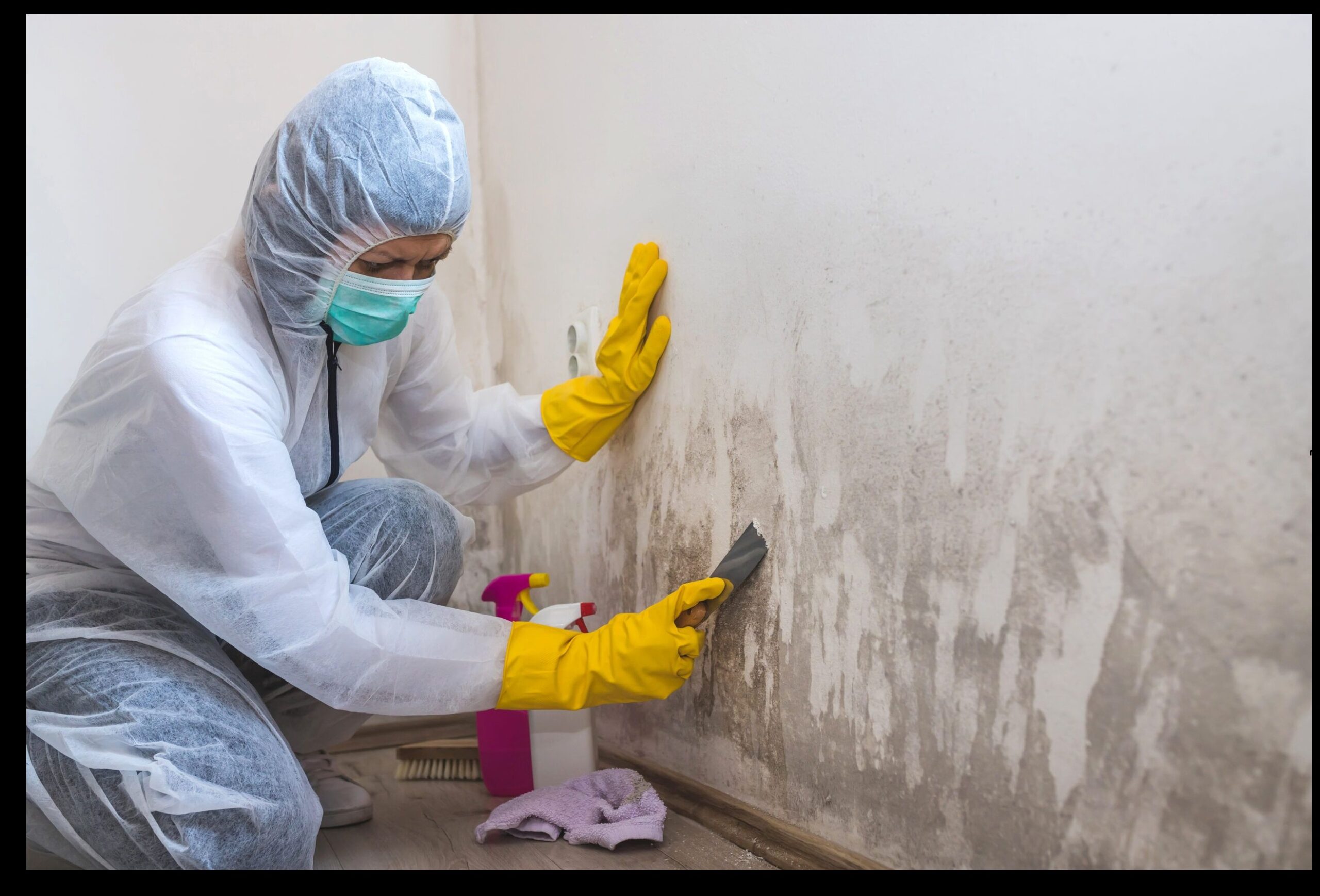
Mold thrives in damp conditions, and water damage creates an ideal environment for it to spread rapidly. Exposure to mold can result in allergies, respiratory complications, and other serious health issues.
Why Mold is Dangerous:
- Releases airborne spores that often trigger allergic and asthma reactions.
- Produces persistent musty odors that are difficult to eliminate.
- Can spread quickly, damaging walls, ceilings, and furnishings.
How Professionals Help
- Identify mold-prone areas and hidden infestations early.
- Apply antimicrobial treatments to eliminate mold spores, bacteria, and other pathogens prevent mold.
- Use dehumidifiers and high-velocity air movers to thoroughly dry affected areas, preventing further mold growth.
💡 Tip: Even if mold is not visible, a musty smell often signals hidden infestations, which only professionals can effectively detect and remediate.
3. Minimizing Structural Damage
Water intrusion can severely weaken your home’s foundation, leading to significant structural problems if left untreated.
Common Structural Problems from Water Damage:
- Wood rot – Compromises the integrity of floors, beams, and supports.
- Foundation cracks – Water infiltration expands existing cracks, worsening damage over time.
- Ceiling and wall collapse – Excess moisture causes paint bubbling and drywall deterioration.
How Professionals Help
- Conduct comprehensive inspections of walls, ceilings, floors, and foundations to uncover hidden damage.
- Utilize high-powered industrial drying systems to prevent warping and wood decay.
- Reinforce and repair weakened structures before minor issues escalate into costly repairs.
💡 Fact: Water damage can compromise a building’s structural integrity within just 48 hours if not addressed promptly.
4. Restoring Your Property and Belongings
Water damage affects more than floors and walls—it can destroy furniture, electronics, documents, and personal belongings.
How Water Impacts Various Materials:
- Wood – Absorbs moisture, resulting in swelling and warping.
- Carpets – Retain moisture, fostering mold and mildew.
- Electronics – Risk short-circuiting and permanent damage when exposed to water.
- Paper documents – Fragile and prone to becoming illegible.
How Professionals Help
- Employ advanced drying techniques tailored for carpets, upholstery, and wood products.
- Implement document restoration and drying methods to salvage important files and paperwork.
- Deodorize and sanitize furniture and personal items to eliminate water damage odors and contaminants.
💡 Tip: After water exposure, avoid using wet electrical appliances to prevent permanent damage or fire hazards.
5. Reducing Repair Costs and Insurance Complications
Delaying water damage restoration leads to escalating repair expenses.
Why Postponing Repairs Is Expensive:
- Water spreads rapidly, affecting larger areas over time.
- Unaddressed leaks can cause extensive structural damage.
- Mold infestations become more costly and complex to remediate.
How Professionals Assist with Insurance Claims
- Document all damages meticulously to support your insurance claim.
- Provide detailed damage reports to expedite and simplify the claims process.
- Coordinate directly with insurance companies to maximize your claim benefits.
💡 Did You Know? Many insurance policies require immediate mitigation actions; delayed response can result in claim denial.
6. Eliminating Health Risks from Contaminated Water
Not all water damage is equal. Certain types of water contain harmful bacteria, chemicals, or sewage, posing serious health risks.
Types of Water Damage:
- Clean Water (Category 1) – Source: burst pipes, rainwater; generally safe but still damaging.
- Grey Water (Category 2) – Source: washing machines, dishwashers; contains contaminants.
- Black Water (Category 3) – Source: sewage backups, floodwaters; highly hazardous, requiring professional remediation.
How Professionals Help
- Wear protective gear and apply specialized disinfectants to safely manage hazardous water.
- Remove all contaminated materials to prevent illness and further contamination.
- Thoroughly disinfect and sanitize affected areas to restore a safe environment.
💡 Tip: If floodwater enters your home, never attempt DIY cleaning. Black water carries harmful pathogens necessitating professional intervention.
7. Peace of Mind and Long-Term Protection
Engaging professional services guarantees each phase of the water damage restoration is expertly managed.
Why Professional Restoration Services Are Worth It:
- Prevent future damage through expert repairs and advanced waterproofing techniques.
- Ensure complete moisture removal to avoid hidden mold and structural issues.
- Receive professional guidance on long-term prevention strategies tailored to your property.
Wouldn’t you prefer the reassurance of a fully restored, safe home? Professional restoration teams provide just that peace of mind.
Final Thoughts
Water damage can be daunting, but expert restoration services make recovery safer, faster, and more thorough. From rapid water extraction to mold remediation and structural repairs, professionals ensure your property is restored efficiently with minimal disruption.
If you’ve experienced water damage, don’t delay—contact a professional immediately to save on costly repairs and reduce health risks.
Have you dealt with water damage before? What obstacles did you encounter during cleanup? Share your experiences and learn how professional restoration can transform the recovery process!
Additionally, if you’re interested in learning more about “The Role of Mold Remediation in Water Damage Restoration”, be sure to visit our “Home improvement” category for detailed insights.
With water damage becoming increasingly common due to climate changes and aging infrastructure, it’s vital to understand the comprehensive benefits professional restoration provides. These experts not only mitigate immediate damage but also implement preventive measures to strengthen your property against future incidents. Utilizing the latest technology and industry best practices, professionals tailor restoration plans to each situation, ensuring the highest level of safety and efficiency. Investing in professional restoration ultimately safeguards your health, property value, and peace of mind, making it the smartest choice for long-term resilience against water damage.