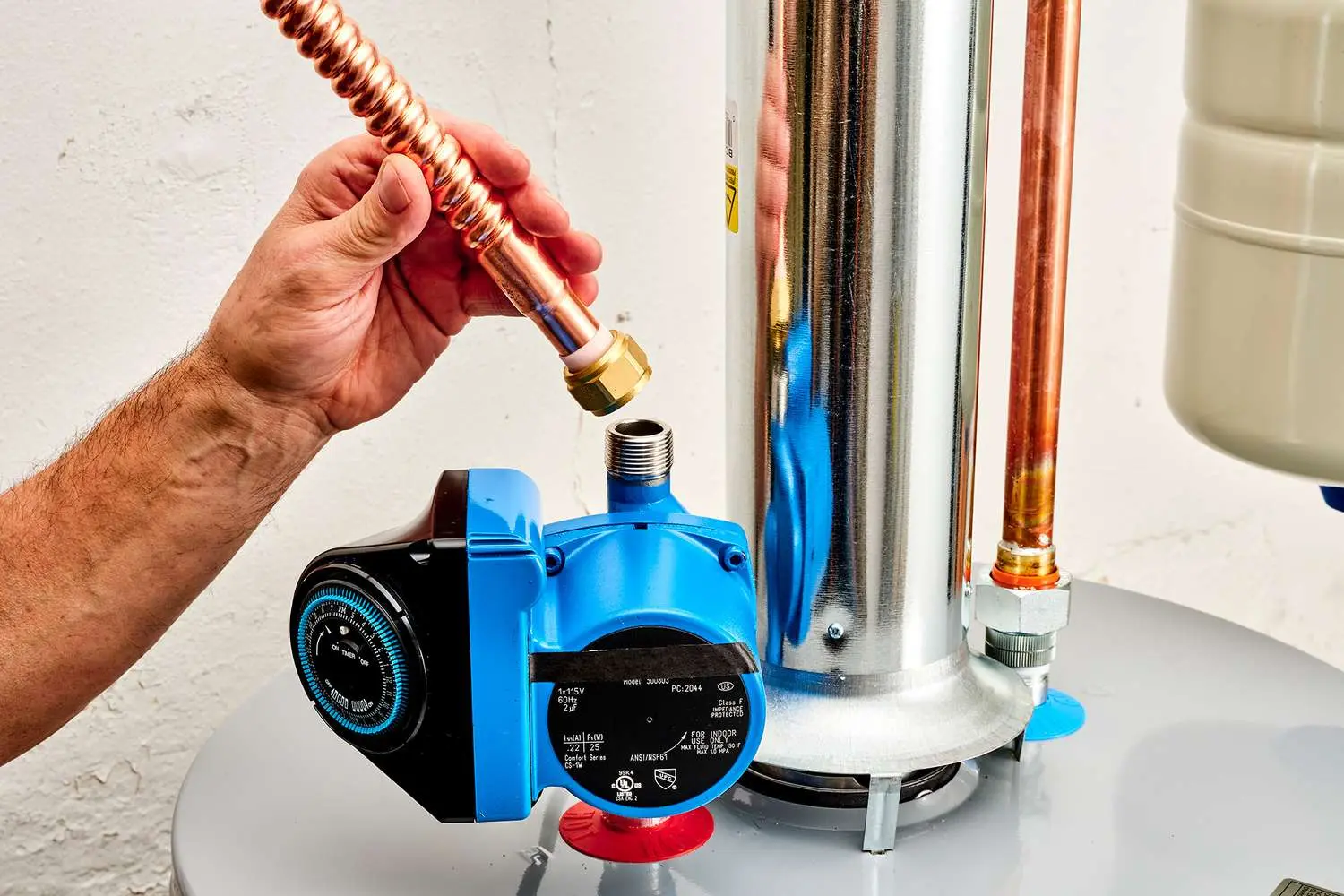
When optimizing the performance of your boiler or heating system, one of the most critical components to focus on is the circulating pump, also known as the circulator pump. Circulating pumps” target=”_blank” rel=”noopener”>Circulating pumps are responsible for moving hot water efficiently throughout your heating system, ensuring even distribution of warmth to radiators, underfloor heating, or outdoor boilers.
Without proper maintenance, even the highest-quality circulating pumps can become inefficient, leading to increased energy consumption, system malfunctions, and costly repairs.
This comprehensive guide provides essential tips on how to maintain your circulation and boiler pumps effectively, maximizing efficiency and extending the life of your heating system.
1. Understanding Your Circulating Pump
Proper maintenance begins with understanding how your circulator pump functions. A boiler circulating pump is designed to circulate heating water or antifreeze through your boiler and connected heating systems, such as radiators and heat exchangers. It ensures a consistent flow of hot water, distributing heat evenly across your home or outdoor boiler installation.
The efficiency of the circulator pump significantly influences the overall performance of your heating system. A malfunctioning pump can reduce flow rates, increase wear on other components, and lead to higher fuel consumption.
2. Signs Your Circulator Pump Requires Maintenance
Before performing maintenance, it’s important to recognize the warning signs indicating that your circulating pump needs attention:
- Increased Energy Bills: An unexpected rise in your heating energy costs despite normal usage suggests your pump may be operating inefficiently.
- Noisy Operation: Grinding, rattling, or whistling noises signal internal wear or trapped air within the pump.
- Inconsistent Heating: Uneven warmth in radiators or heating zones may indicate insufficient water circulation caused by the pump.
- Frequent Cycling: The pump turning on and off too often may reflect problems maintaining proper pressure or flow.
3. Effective Maintenance Tips for Your Circulating Pump
Follow these maintenance best practices to keep your circulator pump operating smoothly:
Regular Pump Inspections
Inspect your boiler pumps at least twice a year—before and after the heating season. Look for signs of wear, corrosion, or damage. Early detection helps prevent efficiency losses and sudden breakdowns.
Breeding Out Airlocks
Airlocks can block water flow and reduce your pump’s efficiency. Bleed your radiators regularly to release trapped air bubbles, ensuring unobstructed water circulation.
Cleaning the Pump Internally
Over time, sediment and debris may accumulate inside the pump, compromising performance. When cleaning, turn off the heating system and drain excess water before removing the pump. Use a soft brush or cloth to remove buildup, and consult your pump’s user manual for specific cleaning instructions.
Lubricate Bearings When Required
Some circulators have bearings that require periodic lubrication. Follow manufacturer guidelines for appropriate lubricants and intervals to reduce friction and extend pump lifespan.
Inspect the Pump Impeller
The impeller drives water movement. Check for blockages or damage, and replace the impeller if necessary to maintain proper flow rates.
Monitor System Pressure
Maintain the correct pressure within your heating system, as specified in your manual. Too low or too high pressure can strain your pump and reduce its efficiency.
Check Electrical Wiring and Connections
Corroded or loose electrical connections can cause pump failure. Regularly inspect wiring for damage and ensure all terminals are secure. Consult a licensed electrician when needed.
4. When to Replace Your Circulating Pump
Despite regular maintenance, eventual replacement may be necessary due to:
- Age: Pumps older than 10 years typically approach end-of-life and may be less efficient than newer models.
- Significant Damage: Cracks, leaks, or severe internal faults generally warrant a new pump rather than costly repairs.
- Frequent Repairs: If repairs become frequent and expensive, investing in a new pump can save money long-term and improve system reliability.
5. Additional Tips for Enhancing Pump Efficiency
- Proper Sizing: Selecting a pump that matches your system’s requirements ensures optimal performance and energy use.
- Upgrade to Variable Speed Pumps: Variable speed circulators adjust to heat demand, lowering energy consumption while maintaining comfort.
- Use Timers: Installing a timer allows your pump to operate only when needed, reducing unnecessary energy use in unoccupied periods.
Conclusion
Routine maintenance of your circulating pump is crucial to maintaining an efficient, energy-saving heating system. By monitoring performance, addressing issues promptly, and adopting preventive care practices, you can extend your pump’s lifespan and reduce heating costs. Investing a little time into your heating system today will pay off through enhanced comfort, lower utility bills, and fewer expensive repairs in the future.
Ready to upgrade your circulating pipe” target=”_blank” rel=”noopener”>circulator pump? Visit Outdoorboiler.com” target=”_blank” rel=”noopener”>Outdoorboiler.com to find top-quality pumps tailored to your heating projects!
Maintaining the efficiency of your circulator pump also supports environmental sustainability by reducing energy consumption and carbon emissions. Modern pump technologies now incorporate smart controls and energy-efficient designs, ensuring optimal performance while minimizing environmental impact. Staying informed about the latest advancements and choosing pumps with energy-saving certifications can contribute significantly to both your budget and a greener future.
Want to know about’Heat Pumps vs. Gas Heaters‘? Check out our’Home appliances‘ category