Owning a home comes with a variety of responsibilities, and one of the most important is maintaining the systems that keep it running smoothly. From heating and cooling systems to plumbing and electrical components, regular maintenance can save you money, prevent costly repairs, and improve the overall longevity of your home. As a proactive homeowner, understanding what systems need attention and when is crucial for keeping your home in top condition. Our related guide, Homeowner’s Guide to Selecting Fences and Gates, goes further into this.
Below, we’ll discuss the key home systems that require regular maintenance and why it’s important to stay ahead of them. Read on!
1. Heating, Ventilation, and Air Conditioning (HVAC) System
Your HVAC system plays a vital role in keeping your home comfortable throughout the year, making it crucial to ensure it remains in top working condition. Regular maintenance, such as changing air filters every 1-3 months, checking for airflow obstructions, and scheduling annual inspections with a professional HVAC technician near you, like those from A/C Control, helps guarantee your system runs efficiently. This not only reduces energy costs but also prevents unexpected breakdowns when you rely on heating or cooling the most.
During a professional HVAC inspection, a technician will check components like the evaporator coils, refrigerant levels, and the condenser unit. This proactive approach helps catch minor issues before they become major, saving you money on expensive repairs or replacements. Remember, a well-maintained HVAC system can last 10-15 years, while neglecting it can lead to a shorter lifespan and more frequent repairs.
2. Plumbing System
Your plumbing system is one of the most critical and easily forgotten parts of your home. A small leak can lead to significant water damage, mold growth, and costly repairs if not caught early. Regularly inspecting your pipes, faucets, and drains is essential. It’s also important to check for leaks under sinks and around toilets.
One of the most crucial maintenance tasks is flushing your water heater annually to prevent sediment buildup, which can affect its efficiency and lifespan. Also, regularly inspecting your home’s water pressure and scheduling professional drain cleaning can prevent clogs and backups that could lead to expensive repairs or replacements. Don’t forget to winterize outdoor plumbing systems and sprinkler systems to avoid frozen pipes during colder months.
3. Electrical System
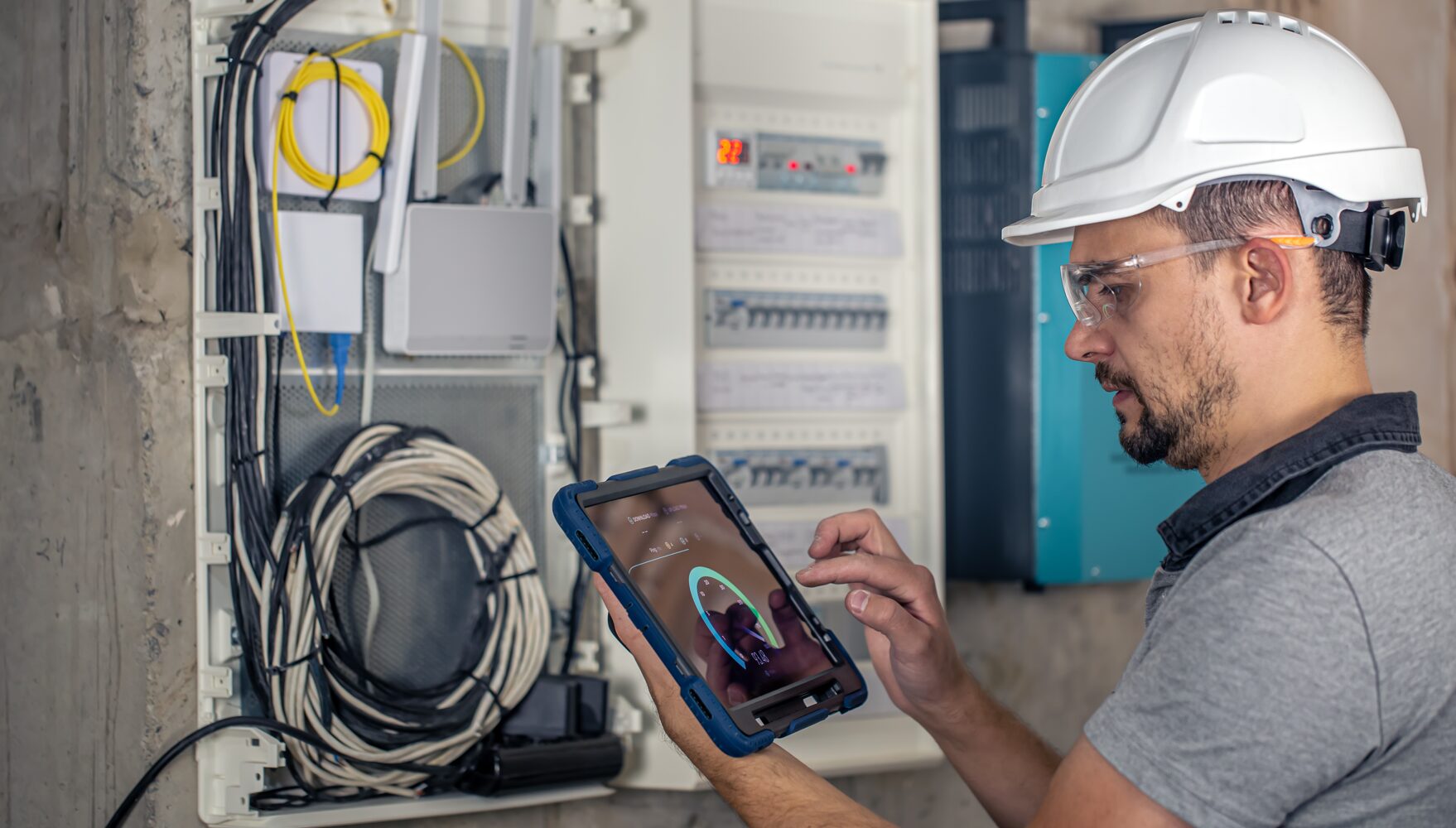
Electrical problems can be dangerous and costly if not addressed promptly. A proactive approach to electrical system maintenance involves inspecting your home’s wiring, outlets, and circuit breakers. It’s important to ensure that all outlets are working properly and that circuit breakers aren’t tripping frequently, which could indicate an overload or a short circuit.
Over time, outlets can wear out or become loose, creating a fire hazard. Be sure to check for signs of fraying wires, scorch marks, or flickering lights, which can indicate a deeper issue. If you notice any of these problems, it’s time to call in a licensed home electrician for a more thorough inspection. Regular maintenance can help prevent electrical hazards and extend the life of your home’s electrical components.
4. Roofing System
Your roof is your home’s first line of defense against the elements, so maintaining it is important for protecting your home. Roofs are exposed to constant wear and tear from weather conditions, including rain, snow, and sun. Regularly inspect your roof for damaged shingles, leaks, or sagging areas. It’s essential to check for any debris, such as branches or leaves, that may block drainage systems like gutters and downspouts.
Hiring a professional to perform a roof inspection every 1-2 years can help identify potential issues before they become serious. Roof maintenance can significantly extend its lifespan, helping you avoid the high cost of a full roof replacement. If you live in an area prone to heavy snow or storms, consider scheduling additional inspections following severe weather.
5. Sump Pump and Foundation
If your home has a basement or crawlspace, a sump pump is crucial for preventing water damage from flooding. Regular maintenance includes checking the pump’s functionality, clearing any debris from the pump’s pit, and guaranteeing that the discharge pipe is free from obstructions.
Additionally, inspect your foundation for any cracks or shifts that could indicate water intrusion or settling problems. Maintaining your sump pump and foundation can prevent costly water damage and structural issues that might compromise your home’s integrity.
Keeping up with home system maintenance is all about being proactive rather than reactive. By regularly checking and maintaining your HVAC, plumbing, electrical, roofing, and other key systems, you’re not only protecting your home from unexpected issues but also saving yourself from expensive repairs down the line. The small time and effort you put into regular inspections can go a long way in ensuring your home stays safe, efficient, and comfortable for years to come. So, take the time to stay on top of these tasks, and you’ll enjoy the peace of mind that comes with knowing your home is well cared for.
For more information on how residential eating disorder treatment centers can support lasting recovery, you might find this article insightful: How Residential Eating Disorder Treatment Centers Support Lasting Recovery