
Rising energy costs have encouraged many homeowners to look more closely at how efficiently their homes operate each day. While insulation and appliance usage often receive the most attention, heating and plumbing systems are frequently responsible for hidden energy waste. In many cases, delayed maintenance or neglected faults such as the need for professional water heater repair in Sussex County, DE can quietly increase monthly utility bills long before obvious problems appear.
Small issues inside a heating or plumbing system rarely stay small for long. A clogged filter, leaking pipe, or inefficient water heater can force equipment to work harder than necessary, leading to higher energy usage and avoidable repair costs. Understanding the most common causes of energy waste can help homeowners improve comfort while reducing long-term expenses.
Dirty HVAC Filters Can Make Your Heating System Work Harder
One of the simplest yet most overlooked maintenance tasks is replacing HVAC filters regularly. Dirty or blocked filters restrict airflow, making heating systems operate longer to maintain indoor temperatures. This extra strain not only increases energy consumption but can also shorten the lifespan of the equipment.
When airflow becomes restricted, rooms may heat unevenly, causing homeowners to increase thermostat settings unnecessarily. Over time, this creates a cycle of excessive energy use and reduced system performance.
Common signs of a dirty filter include:
- Weak airflow from vents
- Dust buildup around registers
- Heating systems running constantly
- Uneven room temperatures
- Increased allergy or respiratory irritation indoors
Most filters should be checked monthly and replaced every one to three months depending on household conditions, pets, and system usage.
Water Heater Problems Often Lead to Higher Utility Bills
Water heaters account for a significant portion of household energy usage, especially during colder months. Even small performance issues can increase operating costs quickly.
Sediment buildup is one of the most common problems affecting water heaters. Minerals from hard water settle inside the tank over time, creating a barrier between the heating element and the water. As a result, the system requires more energy to heat the same amount of water.
Other common water heater issues include:
- Faulty thermostats
- Worn heating elements
- Tank corrosion
- Leaking valves
- Poor insulation around older units
These issues may begin gradually, making them difficult to notice immediately. Homeowners often first recognise the problem when hot water becomes inconsistent or energy bills increase unexpectedly.
Routine maintenance and timely repairs help restore efficiency while reducing unnecessary strain on the system.
Leaking Pipes Can Waste Both Water and Energy
Even a small plumbing leak can contribute to rising utility costs. Hot water leaks are particularly expensive because homeowners pay not only for wasted water but also for the energy used to heat it.
Hidden leaks inside walls, under floors, or near appliances can continue unnoticed for months. During this time, heating systems and water heaters may work harder to compensate for ongoing water loss.
Warning signs of hidden plumbing leaks include:
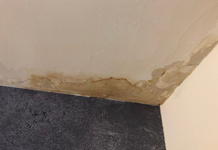
- Damp patches on walls or ceilings
- Unexpected increases in water bills
- Reduced water pressure
- Mould or musty smells
- Sounds of running water when taps are off
Ignoring leaks may also lead to structural damage and reduced insulation performance, both of which can further increase heating costs.
Poor Insulation Forces Heating Systems to Run Longer
Heating systems become far less efficient when warm air escapes from the home. Poor insulation allows heat to leave through roofs, windows, walls, and gaps around doors or pipework.
As indoor temperatures drop more quickly, the heating system cycles on more frequently to maintain comfort levels. This constant operation increases wear on equipment and raises monthly energy consumption.
Areas commonly responsible for heat loss include:
- Loft spaces and attics
- Older windows and door frames
- Uninsulated pipework
- Basement and crawl spaces
- Gaps around vents and ductwork
Improving insulation often reduces heating costs noticeably while helping indoor temperatures remain more stable throughout the day.
Outdated Thermostats and Heating Controls Waste Energy
Older thermostats may appear functional while still contributing to excessive energy usage. Inaccurate temperature readings and poor scheduling capabilities can cause heating systems to operate inefficiently.
Programmable and smart thermostats allow homeowners to create heating schedules that better reflect daily routines. Instead of heating the home constantly, temperatures can adjust automatically based on occupancy and time of day.
Benefits of updated heating controls include:
- Lower energy consumption
- Improved indoor comfort
- Better temperature consistency
- Reduced strain on HVAC systems
- Greater control through mobile apps and automation
Modern controls also help identify unusual energy usage patterns before they become costly problems.
Ignoring Routine Maintenance Often Leads to Expensive Repairs
Many heating and plumbing issues become more expensive simply because they are left unresolved for too long. Preventive maintenance allows professionals to identify worn components, airflow issues, leaks, and efficiency problems before they develop into major failures.
Annual servicing helps maintain system performance while improving safety and reliability. Regular inspections can also reveal opportunities to improve energy efficiency throughout the home.
Maintenance tasks homeowners should prioritise include:
- HVAC inspections before winter
- Water heater flushing
- Pipe insulation checks
- Thermostat testing
- Leak detection assessments
- Air duct cleaning when necessary
Consistent maintenance not only lowers utility bills but also extends the lifespan of costly household systems.
Heating and Plumbing Efficiency Go Hand in Hand
Heating and plumbing systems work together more closely than many homeowners realise. Problems in one area often affect the efficiency of another. A leaking hot water pipe increases demand on the water heater, while poor insulation forces the heating system to compensate for constant heat loss.
By addressing small problems early, homeowners can improve energy performance across the entire property. Simple upgrades and regular servicing often produce noticeable reductions in monthly utility costs while improving comfort year-round.
Conclusion
Heating and plumbing inefficiencies can quietly increase energy costs while placing unnecessary strain on important household systems. Issues such as dirty air filters, leaking pipes, inefficient water heaters, poor insulation, and outdated heating controls often develop gradually, making them easy to overlook until utility bills rise significantly.
Regular maintenance, early repairs, and energy-efficient upgrades are essential for improving system performance and reducing wasted energy throughout the home. Homeowners who take a proactive approach to heating and plumbing care can improve indoor comfort, extend equipment lifespan, and avoid costly emergency repairs in the future. Maintaining efficient systems not only supports lower energy bills but also creates a more reliable, comfortable, and energy-conscious living environment all year round.
Additionally, if you want to learn more about Reliable Water Heater and Expert Plumbing Support then please visit our Home improvement category for comprehensive information and helpful tips.