
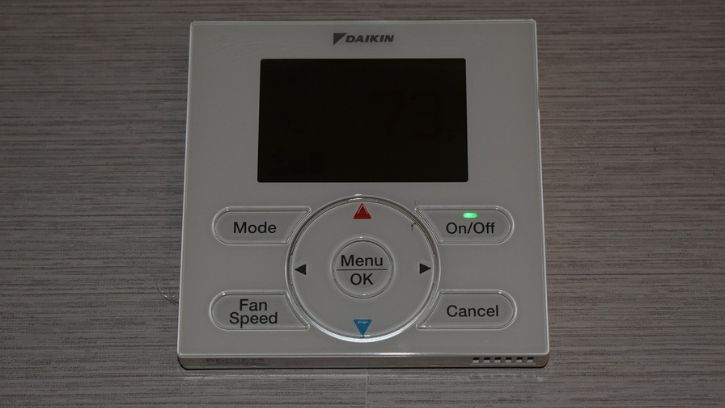
HVAC systems are one of the most essential systems in a building. Responsible for maintaining adequate air temperature during warm and cold climates, as well as monitoring humidity and air quality, they are integral to ensuring a comfortable living and working space for a building’s inhabitants. However, earlier versions were manual in operation, making them difficult to maintain. With the advancement in technology, it is now much easier to install smart HVAC systems that can be automated to a significant degree. Also known as building automation systems (BAS), they can be used to smartly and efficiently control the HVAC systems in a building. Here are some of their benefits.
1. Energy Efficiency
The first and biggest benefit of a building automation system (BAS) is energy efficiency. How does this work? The BAS has numerous sensors and timers built throughout its framework to monitor temperature, humidity, air quality and much more. This enables the system to automatically increase or reduce its operational capacity to maintain an optimal environment. This marked decrease in energy consumption has another significant benefit. It also reduces the overall utility bill of an HVAC system. Furthermore, by optimally using the various components of the HVAC systems, its wear and tear is also reduced.
Another added advantage is that the reduction of energy consumption also lowers the overall carbon footprint of the system. This means the BAS is more environmentally friendly than its manual counterparts. Furthermore, special parts and equipment can also be added to the HVAC system to further boost its sustainability. A great example is industrial air filters. Many modern industrial air filter manufacturers now design air filters that are made for energy efficiency and have a long lifespan. This, combined with repeated useability makes these air filters perfect for any building automation system.
2. Enhanced Comfort and Indoor Air Quality
It can be quite problematic to constantly adjust temperature as the ambient temperature in a room changes. With a building automation system (BAS), this issue can be easily resolved. By constantly monitoring the temperature within the HVAC system, there is consistent temperature control, ensuring the most comfortable temperature for people within a building or structure, irrespective of weather.
Apart from consistent temperature, it also enhances the indoor air quality of a given facility. With smart filters and sensors in place, it is easy to monitor the air quality within the HVAC system and ensure clean air that poses no potential health hazards.
However, besides BAS systems, the HVAC system and ducts must also be cleaned regularly for optimal air quality. It is key to use duct cleaning tools such as vacuum, skipper balls, hoses, duct mask and more to keep the HVAC system clean as it directly contributes to better air quality.
3. Remote Monitoring and Control
The building automation system (BAS), also has another major advantage, easy and instant access to important data. With the use of various sensors and controllers, it is very easy to keep tabs on the HVAC system right from basic data such as temperature, humidity and air quality to more complex information such as the condition of certain HVAC components, fans and more. This enables technicians to observe the condition of the HVAC system in real time, making any anomalies or issues apparent quite instantly.
Moreover, the technicians are not even required to be on site. They can remotely monitor the HVAC system and if the issue is not major, the BAS also has protocols in place where the technician can remotely troubleshoot the problem as well. However, for major breakdowns and repairs or a complete overhaul of certain components, the technicians will have to do it in person. But barring that situation, the BAS makes real-time monitoring and troubleshooting very convenient.
4. Predictive Maintenance and Reduced Downtime
With the ability to monitor the entire HVAC system in real time, the BAS also enables predictive maintenance and a marked reduction in downtime. Before the BAS, any small issues or malfunctions within the HVAC system would go undetected as there was no way to monitor them. Over a long period of time, this minor issue would develop into a major repair or breakdown, requiring significant investment and more downtime.
To tackle this inconvenience, the BAS ensures predictive maintenance. By monitoring the real-time status of various components, the technicians can instantly spot any problems or areas that could cause issues in the future. Prompt maintenance here ensures no major repairs occur in the future, and if repairs do happen, the downtime is massively reduced.
And that’s not all. By extrapolating the data of the HVAC system over a long enough timeline, technicians can also ascertain optimal maintenance and repair of each component in the HVAC system and create a fixed maintenance schedule. Therefore, not only does BAS prevent any major repair or maintenance for the HVAC system, but it also ensures that the repairs are kept to a minimum so that technicians don’t charge too much when they come to inspect the system.
5. Integration with Other Building Systems
Whether it is a brand-new HVAC automation system or one retrofitted into an old HVAC unit, the bottom line is that they can be easily integrated with other automated building systems. The HVAC system can be seamlessly integrated with other aspects of building maintenance and upkeep such as lighting, heating, cooling, security, elevatory systems and much more.
The controllers enable this seamless integration and operation. Also known as the brains of the building automation system, the controllers are the one place that collects all data about the building, including the HVAC system. The sensors are the other component of the BAS which provide the data input to the controllers. Lastly, with a centralized control interface, the technician has access to all data and can make important decisions related to the BAS here. Overall, this system ensures easy integration and control from a single point, making BAS the future of building management.
6. Cost Savings and Return on Investment
Although a BAS might seem like a hefty investment at the outset, it has more long-term financial benefits. Firstly, a complex HVAC system that is not automated might require a team of technicians to keep it running smoothly. This will obviously raise the cost of maintenance for the HVAC system. On the other hand, using BAS to closely monitor the HVAC system will result in easy maintenance and reduced downtime. Therefore, the entire system can be effectively managed with just one operator and an HVAC technician.
Secondly, thanks to preventative maintenance that is made possible by BAS, the lifespan of each component is increased significantly. This translates to less frequent replacement of constituent parts of the HVAC system, once again leading to major cost savings. Due to these features, the HVAC building automation system is an excellent return on investment that trumps the initial installation cost.
Conclusion
In summary, by going for an HVAC building automation system, one can experience more energy savings, improved air quality, easy monitoring and control, simple and timely maintenance and repair, the ability to avoid repairs altogether and major cost savings in the long run. With such distinct advantages, it is no surprise that these BAS systems are the future of building management and are rapidly becoming a staple in many residential and commercial facilities.
Apart from this, if you are interested to know more about Essential Factors for a Successful Air Conditioner Installation Service
then visit our Home appliances category.