
Natural disasters can strike unexpectedly, leaving homeowners challenged with the urgent task of restoring their homes quickly and efficiently. Whether facing a storm, hurricane, flood, or other catastrophic event, the recovery process can feel overwhelming and stressful. This comprehensive guide offers practical advice and clear, actionable steps to help you navigate home recovery confidently. By preparing adequately, rebuilding responsibly, and protecting your property against future risks, you can regain stability and safeguard your investment with greater peace of mind.
Prioritizing Electrical and Plumbing Repairs
After a storm or flood, electrical systems are particularly vulnerable to damage. Immediate inspection is critical—look for sparking outlets, breaker switches that fail to reset, or unusual buzzing noises. If you detect any such issues, promptly shut off the power to prevent further hazards. Engaging a licensed electrician for a thorough evaluation ensures your home’s safety and prevents potential accidents.
Plumbing systems can also suffer hidden damage, such as burst pipes, leaks, or blocked drains. Hiring experienced plumbers for repairs guarantees that your home’s water infrastructure is restored efficiently while minimizing ongoing risks. Avoid attempting DIY fixes on these essential systems, as expert intervention saves you time, money, and the headache of dealing with complications later.
Inspecting and Rebuilding Your Home for Structural Safety
Assessing your home’s structural integrity after a natural disaster is a top priority. Check for visible damage such as cracks in walls, foundation shifts, or damaged roofs. Equally important is identifying hidden dangers like loose ceiling beams, warped floors, or compromised support structures that can jeopardize your family’s safety.
In cases of significant damage, emergency home reconstruction services, like those offered by Roto-Rooter Water Restoration Of Kalamazoo, provide specialized expertise to rebuild affected areas safely and efficiently. Acting quickly to secure your home’s structure prevents further deterioration and ensures your household’s protection throughout the recovery process.
Restoring Interior Spaces
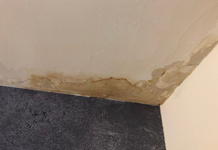
Start interior restoration by removing debris and discarding furniture or materials that cannot be salvaged. Thorough cleaning is essential to eliminate health hazards such as mold, mildew, and pests that commonly arise after water damage. Focus on refurbishing key living spaces like kitchens and bedrooms to restore functionality and comfort.
Professional restoration contractors can expertly repair and refinish damaged floors, walls, and surfaces, helping return your home to its original condition while ensuring safety and code compliance.
Checking for Tree Hazards
Natural disasters often leave fallen or unstable trees on your property, posing ongoing dangers. Assess all trees around your home for risks including dead or leaning trunks, weakened branches, or exposed roots that may threaten your home’s structural integrity.
Consulting with tree risk assessment professionals, such as those at The Tree Doctor (Qld) Pty Ltd, helps identify these hazards and provides you with expert recommendations on removal or mitigation. Promptly addressing tree-related risks protects your family and prevents additional property damage from falling limbs or debris.
Updating Preventative Measures
Once your home is restored, implementing enhanced preventative measures is vital to protect against future natural disasters. Consider upgrading to durable roofing materials, installing storm-resistant windows, and waterproofing basements or low-lying areas to mitigate potential water damage.
Additionally, assemble an emergency preparedness kit stocked with essential supplies—such as flashlights, batteries, first-aid materials—and develop a detailed family emergency action plan. These steps not only safeguard your home but also provide peace of mind during challenging times.
Recovering from natural disasters can feel daunting, but following a well-structured, informed approach ensures every critical aspect—from securing structural safety and managing tree hazards to restoring interiors—is thoroughly addressed. Don’t hesitate to seek professional help when necessary. With expert support, you can effectively rebuild and strengthen your home for the future.
For more information about Achieving Your Dream Home, visit our Real Estate category.
Understanding the complete home recovery process after natural disasters equips homeowners to prepare and respond efficiently. Investing in professional assessments and trusted contractors can significantly reduce the time and expenses associated with major repairs and rebuilding. Furthermore, proactively upgrading your home’s resilience against future extreme weather protects your investment while increasing comfort and security for your family. Staying informed about the latest building codes and advanced preventative technologies empowers you to make smart decisions that enhance long-term property sustainability and peace of mind.
In addition to immediate repairs, consider integrating smart home technologies designed to monitor environmental conditions and alert you to potential risks such as water leaks or electrical faults. These innovations offer an additional layer of protection and enable quicker responses to emerging issues, helping to minimize damage during unforeseen events. Combining traditional rebuilding efforts with modern preventative tools ensures your home is both safe and future-ready.