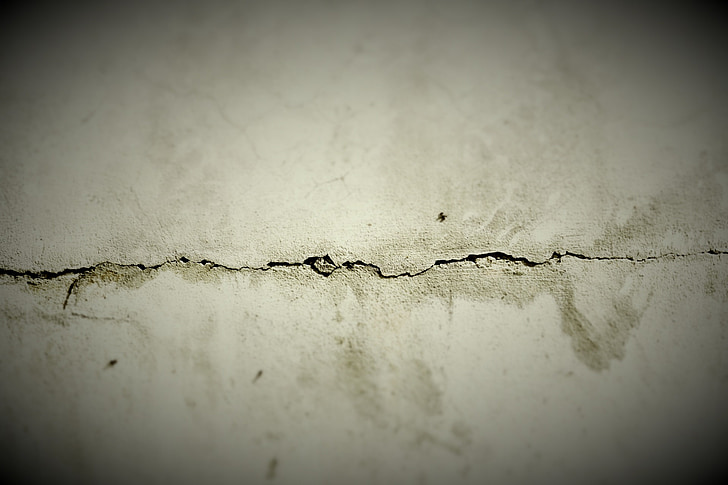
Concrete is a versatile and durable material widely used in construction, but even the strongest concrete can develop cracks if not properly handled. Cracks not only affect its aesthetic appeal but can also compromise the structural integrity of a project. Here are some practical tips to help prevent concrete from cracking and ensure a strong, long-lasting finish.
1. Maintain a Balanced Water-to-Cement Ratio
The amount of water you add to your concrete mix plays a crucial role in its strength and durability. While water is essential for hydration, excessive water weakens the mix and increases the likelihood of shrinkage and cracking.
How to avoid overwatering:
- Use only the amount of water specified in the mixed instructions.
- For better control, consider using a water-reducing admixture to maintain workability without increasing water content.
- Ensure the mix is thick enough to hold its shape but not so dry that it becomes unworkable.
2. Prepare a Solid Base
A well-compacted and level base is critical to supporting the concrete slab and preventing settlement cracks. An unstable base allows the concrete to shift and settle, leading to cracks over time.
Tips for base preparation:
- Compact the sub-grade thoroughly to remove any loose soil.
- Ensure the base is free of organic materials, like roots or debris, which could decompose over time.
- Use gravel or sand to improve drainage and provide a stable foundation for the slab.
3. Use Reinforcements Wisely
Adding reinforcements, such as rebar or wire mesh, can significantly improve the tensile strength of concrete and prevent cracks from forming under stress.
How to use reinforcements effectively:
- Space rebar or wire mesh evenly across the slab.
- Ensure reinforcements are placed at the correct depth, typically in the middle or upper third of the slab’s thickness.
- Consider using fibers in the mix as an additional reinforcement to help minimize micro-cracking.
4. Create Control Joints
Control joints are planned lines in the concrete that encourage cracks to form in specific locations. They help manage shrinkage and movement caused by temperature changes or drying.
Tips for effective control joints:
- Space joints appropriately, usually 2–3 times the slab thickness in feet. For example, a 4-inch slab should have joints every 8–12 feet.
- Cut joints within 12–24 hours of pouring, before the concrete sets fully.
- Make sure the joints are at least 25% of the slab’s thickness.
5. Consider Stamped Concrete Designs
Stamped concrete is a popular decorative option that mimics the look of stone, tile, or brick. However, the stamping process requires extra care to prevent cracking. During installation, ensure the concrete is evenly textured and sealed properly to protect it from weather and wear. The sealant acts as a protective barrier against moisture infiltration and temperature fluctuations, both of which can lead to cracks.
6. Cure the Concrete Properly
Proper curing is essential for concrete to reach its full strength. If moisture evaporates too quickly, it can lead to surface cracks and reduced durability.
Effective curing techniques:
- Spray the surface with water multiple times a day during the first week, especially in hot or windy conditions.
- Cover the slab with a moisture-retaining fabric or plastic sheeting to slow down evaporation.
- Use curing compounds to form a protective layer that locks in moisture.
7. Protect Against Temperature Extremes
Concrete is sensitive to rapid temperature fluctuations during curing. Freezing temperatures can cause the water in the mix to expand, while high heat can lead to rapid evaporation, increasing the likelihood of cracks.
Tips to regulate temperature during curing:
- Avoid pouring concrete in extreme weather conditions. If unavoidable, use additives designed for hot or cold weather.
- In cold weather, cover the concrete with insulated blankets to protect it from freezing.
- In hot weather, pour during cooler parts of the day and keep the concrete moist.
8. Avoid Overloading Early
Concrete takes time to gain strength. Applying excessive weight or load too soon can cause cracks and reduce the structure’s longevity.
How to manage load bearing:
- Avoid placing heavy equipment or materials on the concrete for at least 7–10 days after pouring.
- For large slabs, follow the recommended curing time before applying any significant load.
Final Thoughts
Preventing cracks in concrete requires attention to detail at every stage of the process, from mixing and pouring to curing and maintenance. By maintaining a balanced water-to-cement ratio, preparing a stable base, using reinforcements, and curing the concrete properly, you can ensure a durable, crack-free finish. While some minor cracking may be inevitable due to environmental factors, these steps can significantly minimize the risk and enhance the overall performance of your concrete project.