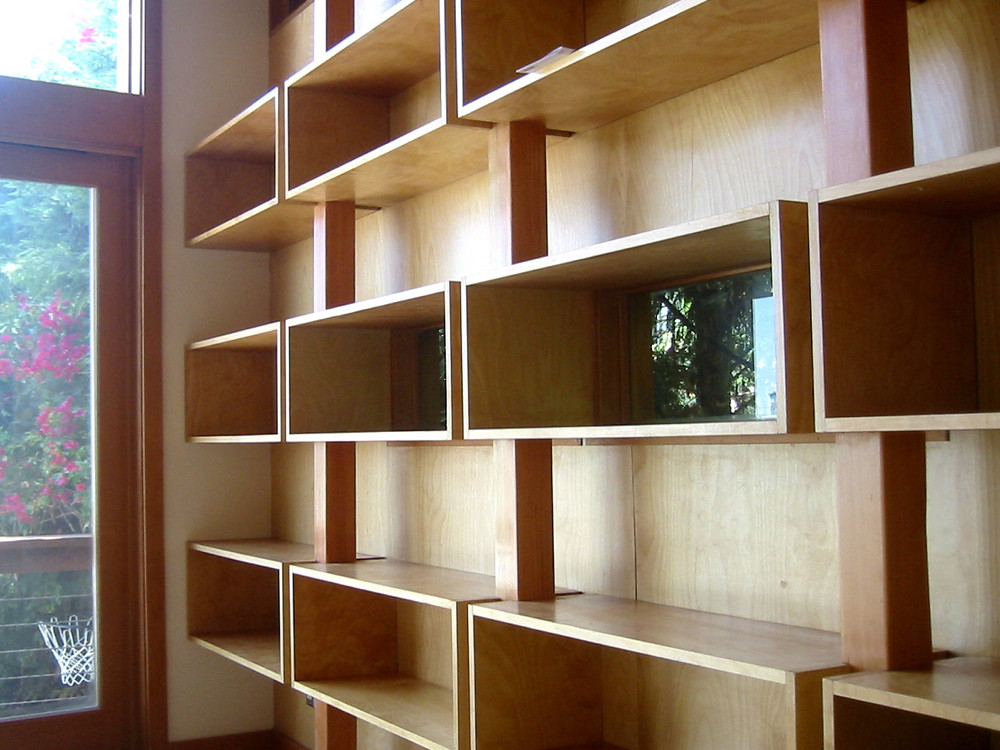
Wood shelving shelves add warmth, character, and practicality to any room, whether you use them to store books, display decorative items, or organize household essentials. To keep your wood shelving looking vibrant and functioning effectively over time, consistent maintenance and proper care are crucial. Wood is a natural material that can be vulnerable to wear, so protecting your shelves from damage will help maintain their beauty and longevity.
In this comprehensive guide, we’ll share straightforward tips and proven techniques for maintaining and caring for your wood shelving components. From routine cleaning and polishing to safeguarding against environmental damage, discover how to preserve and enhance your wood shelves for years of reliable use and visual appeal.
Why Proper Maintenance of Wood Shelves Is Essential
Wood is a living material, naturally sensitive to changes in moisture, temperature, and sunlight exposure. These factors can cause wood to warp, crack, or discolor without proper upkeep. Even high-quality wood shelving can deteriorate prematurely if neglected, affecting both its functionality and aesthetic appeal.
The good news? Maintaining wood shelves is simple and not time-consuming. With just a few consistent care practices, you can ensure your shelves remain sturdy and beautiful for decades. Let’s explore the essential steps for proper wood shelf care.
1. Regular Dusting and Cleaning
Keeps your wood shelves looking fresh by regularly removing dust, which can dull their surface and damage the finish over time. A clean surface maintains the natural beauty and extends the life of your wood.
How to Dust Properly:
- Use a soft, dry microfiber cloth once a week to trap and remove dust effectively.
- For stubborn dirt, slightly dampen the cloth with water—never soaked—to avoid water damage.
- Avoid feather dusters, as they can disperse dust rather than remove it.
If water alone isn’t sufficient, consider safe cleaning products designed for wood surfaces as your next step.
2. Use the Right Cleaning Products
When your shelves face heavier grime or oil stains, gentle cleaning solutions can help without compromising the wood’s finish.
Best Practices for Cleaning:
- Choose mild soap or specially formulated wood cleaners diluted in water. Apply with a damp cloth—never saturated—to clean the surface.
- Avoid ammonia-based cleaners and silicone-containing polishes, which can damage or leave residues.
- Always dry the shelves immediately after cleaning with a soft, dry cloth to prevent moisture damage.
Once cleaned, polishing your shelves can enhance their shine and protection.
3. Polishing Your Wood Shelves
Polishing restores the natural luster and adds a protective layer to your shelves, helping preserve their finish.
Tips for Polishing:
- Select a polish or wax designed specifically for the finish on your shelves.
- Apply sparingly with a soft cloth, following the wood grain for best results.
- Avoid over-polishing to prevent sticky residue that attracts dust.
Polishing every three to six months is generally ideal to maintain your shelves’ beauty.
4. Protect Your Shelves from Sunlight and Heat
Exposure to direct sunlight can cause fading and drying, while heat sources may warp or crack wood shelves.
How to Protect Wood Shelves:
- Position shelves away from direct sunlight or use window treatments like curtains or UV-protective films.
- Avoid placing shelves near radiators, heaters, or vents that emit heat.
- Consider applying UV-resistant finishes to shield wood from sun damage if unavoidable.
Environmental protection is vital for long-lasting wood shelving. Next, we’ll cover the importance of avoiding excess weight.
5. Avoid Overloading the Shelves
Each wood shelf has a weight limit; exceeding it can cause sagging or structural damage, especially with softer woods or unsupported designs.
Guidelines for Loading Your Shelves:
- Check the shelf manufacturer’s maximum weight recommendations.
- Distribute weight evenly and place heavier items near supports or edges.
- Regularly rotate items to prevent pressure buildup in one area.
If you observe sagging, redistribute or lighten the load to prevent further damage.
6. Dealing with Scratches and Dents
Minor scratches and dents are common but manageable; timely repairs keep your shelves looking polished and well-kept.
How to Fix Scratches:
- Use color-matched wood repair markers or crayons for light surface scratches.
- Fill deeper gouges with wood filler, sand smooth, and apply matching stain or polish.
Regular inspection and prompt touch-ups can significantly extend the life and look of your shelves.
7. Seasonal Maintenance
Wood’s reaction to humidity and temperature changes requires adjusting your care routine based on the season.
How to Adjust Your Care Routine:
- Use humidifiers in dry winter months to prevent cracking.
- Utilize dehumidifiers during humid summers to avoid swelling or mold growth.
- Check shelves regularly for signs of expansion, contraction, or warping, and adjust placement if needed.
Adapting to seasonal variations helps maintain structural integrity and appearance year-round.
8. Refinishing Your Wood Shelves
When shelves become dull or worn despite regular care, refinishing restores their original beauty and extends usability.
Steps for Refinishing:
- Gently sand the surface with fine-grit sandpaper to remove the old finish.
- Clean the wood thoroughly to remove dust and debris.
- Apply a fresh coat of stain, varnish, or oil, following the grain for an even finish.
- Allow full drying before placing items back on the shelves.
Periodic refinishing can rejuvenate your shelves and protect them from future wear.
Additional Tips for Long-Term Wood Shelf Care
Beyond these core maintenance steps, enhancing the longevity of your wood shelves can involve additional considerations. Regularly inspect joints and brackets for stability to prevent loose or wobbly shelves. Avoid placing wet or damp items directly on wood surfaces to prevent water rings and stains. Use protective pads under decorative pieces or heavy items to prevent scratching. Lastly, maintain proper room ventilation to reduce the risk of mold or mildew growth, especially in humid climates. Incorporating these habits ensures your wood shelving remains a reliable and attractive feature in your home environment.
Conclusion
Caring for your wood shelving components is straightforward when you commit to regular cleaning, use appropriate products, and protect them from environmental stressors. These steps ensure that your shelves maintain their elegance, strength, and function for many years.
Whether dusting weekly, polishing every few months, or refinishing as needed, each act of care preserves the timeless charm of wood. For durable, high-quality wood shelving solutions and expert guidance, partnering with a reputable shelving components manufacturer can provide products designed to withstand the test of time.
What is the current state of your wood shelves? Are they due for some maintenance, or do they already enjoy regular care? Investing a little time now will pay off in lasting beauty and usability, making your wood shelves a cherished element of your home décor.
For more tips on maintaining coastal-style homes, check out Choosing Window Treatments for a Coastal or Beach Style Home.
For more tips on maintaining coastal-style homes, check out Choosing Window Treatments for a Coastal or Beach Style Home.