With ongoing design and technological advancements, the architectural landscape has witnessed a significant rise in the popularity of flat roofing. Once perceived as less attractive and prone to leaks, flat roofs have evolved into cost-effective, durable, and stylish alternatives to traditional sloped roofs.
In this comprehensive guide, we explore the essential aspects of flat roofing and explain why it has become a preferred choice for both commercial and residential properties.
Professional Installation
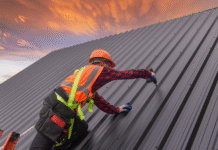
The durability and performance of a flat roofing system largely depend on the skill and experience of the contractor handling its installation and repairs. It is essential to partner with flat roof specialists to ensure your roof is correctly installed and properly maintained. This approach helps prevent common issues such as voided warranties caused by improper installation, ensuring your roof performs optimally for many years.
Simplified Maintenance
Flat roofing systems are notably easier to access than their sloped counterparts, making maintenance much simpler. This ease of access reduces the complexity and cost of routine upkeep and repairs. The straightforward design facilitates regular inspections and cleaning, which significantly minimizes the risk of major repairs in the future.
Subtle Slope Enhancement
Contrary to popular belief, flat roofs are not perfectly horizontal. They are constructed with a slight incline, typically between 1/4 to 1/2 inch per foot, which is critical for effective water drainage. This subtle slope prevents water pooling that can cause leaks and structural damage.
Though often invisible to the naked eye, this engineered pitch plays a vital role in managing water runoff following heavy rain or snowmelt.
Architectural Flexibility
Flat roofs provide a sleek, modern aesthetic that complements a wide range of architectural styles. Their simplicity and adaptability make them suitable for various design preferences, from minimalist to more complex integrated structures. This versatility enables property owners to customize their roofing to harmonize seamlessly with the overall design of their buildings.
Space Maximization
Effective space utilization is crucial, particularly for commercial properties. Business owners often require additional space for HVAC units, solar panels, or storage without increasing building footprint. Flat roofs create valuable usable space for such installations, freeing up ground-level areas for operations, parking, or landscaping.
Green Roof Potential
One of the most innovative advantages of flat roofs is their ability to support green roof installations. These rooftop gardens enhance the visual appeal of buildings and contribute to urban sustainability by improving air quality, reducing heat islands, and promoting biodiversity. Flat roofs are ideally suited for creating lush green spaces, recreational zones, or even rooftop pools—especially beneficial in densely populated urban environments where ground space is limited.
Energy Efficiency Advantages
Flat roofs can be coated with reflective materials that deflect harmful UV rays, helping to keep buildings cooler during warm seasons. This reduces reliance on air conditioning, leading to lower energy consumption and utility costs. Consequently, these roofs contribute to a reduced carbon footprint and enhance overall building sustainability.
Versatile Insulation Options
Contrary to some assumptions, modern flat roofing systems can be equipped with high-quality insulation materials that provide excellent thermal regulation. These solutions help maintain comfortable indoor temperatures throughout the year—keeping interiors cool in summer and warm in winter—resulting in significant energy savings and improved occupant comfort.
Cost-Effectiveness
Flat roofs often prove more economical than traditional pitched roofs when considering their entire lifecycle. Installation, maintenance, and repair costs are typically lower, especially when factoring in energy savings and the extended lifespan achievable through proper installation and maintenance.
Additional Benefits of Flat Roofing
Beyond the functional advantages, flat roofing systems offer exceptional flexibility in integrating solar panels and HVAC equipment, supporting sustainable energy solutions. Additionally, flat roofs simplify future renovations or expansions, as their accessible surface allows for easier modification or addition of rooftop features. This adaptability ensures that buildings can evolve to meet changing occupant needs while maintaining aesthetic appeal and structural integrity.
Conclusion
The evolution of flat roofing technology has made it an increasingly attractive option for new constructions and renovations alike. Combining style, durability, affordability, and environmental benefits, flat roofs are redefining traditional roofing standards.
Whether you are a homeowner, business owner, or property developer, understanding these key factors will empower you to make an informed decision about incorporating flat roofing into your upcoming projects.
Reach Out to Experienced Roofers
If you want to explore the advantages of flat roofing for your home or business, contact a reliable roofing company today. Their team will guide you through every step of the process—from initial consultation to final installation. Collaborate with experienced flat roof specialists to achieve a stylish, durable, and energy-efficient roofing solution tailored to your residential or commercial property.